

Healthy Skin
Taking care of your skin does not have to be complicated or expensive. A few simple daily habits can help keep your skin clean, comfortable, and healthy-looking. Whether you have oily, dry, combination, or sensitive skin, following a consistent skincare routine can make a difference over time.
The best Skincare Tips focus on gentle cleansing, regular moisturizing, sun protection, and choosing products that suit your skin type. You do not need dozens of products or a complicated 10-step routine to care for your skin.
In this guide, you will discover practical skincare habits, common mistakes to avoid, and easy ways to support Healthy Skin at any age.

Why Is a Simple Skincare Routine Important?
Your skin acts as a protective barrier against environmental irritants, germs, and moisture loss. Everyday factors such as sunlight, pollution, harsh products, and dry weather can affect how your skin feels and looks.
A consistent skincare routine helps remove excess oil, sweat, and dirt while supporting the skin's natural protective barrier.
The goal is not to achieve flawless skin. Normal skin has pores, texture, fine lines, and occasional blemishes. The aim is to keep your skin comfortable, protected, and well cared for.
10 Simple Skincare Tips for Healthy Skin
1. Cleanse Your Face Gently
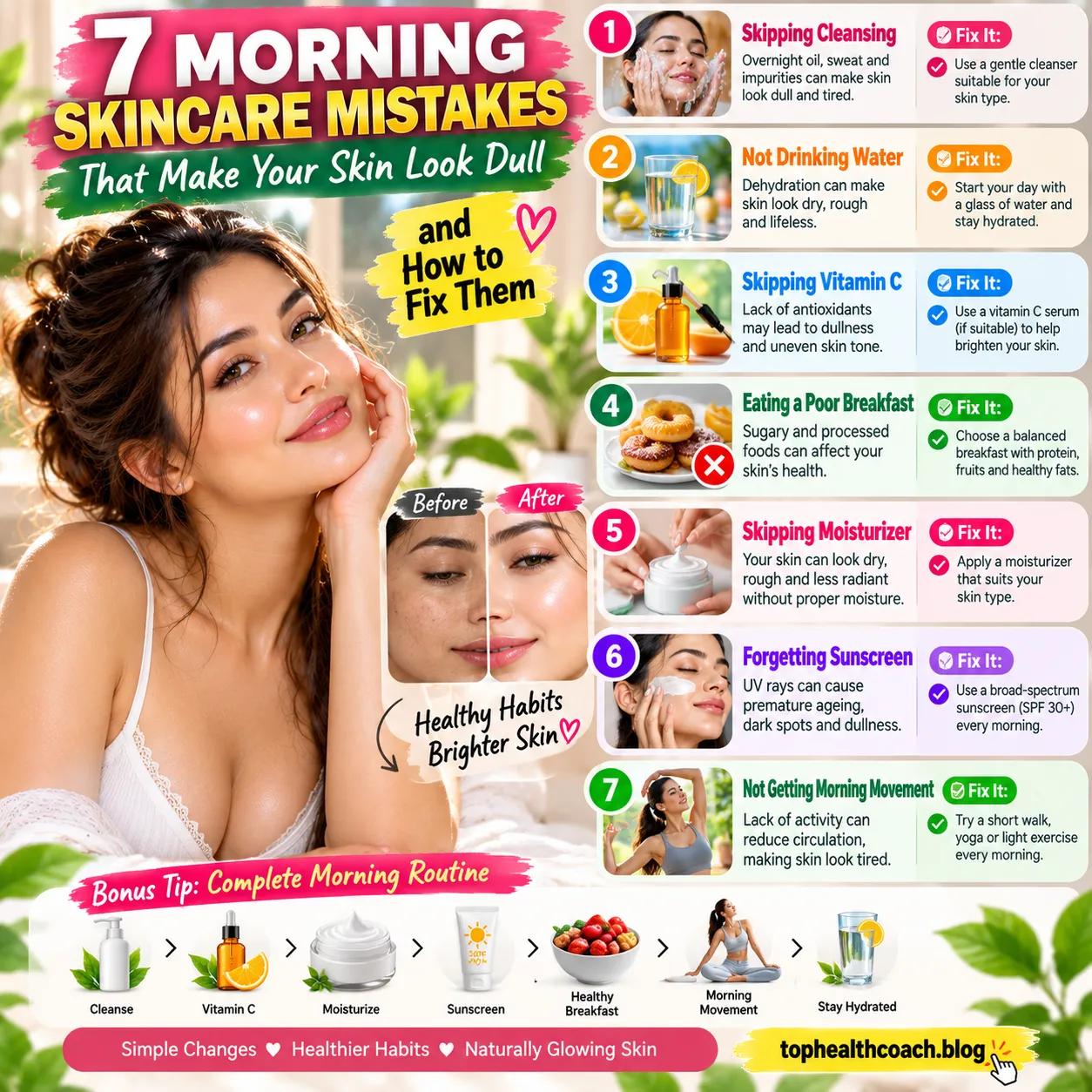
Cleansing helps remove dirt, sweat, excess oil, sunscreen, and makeup. Choose a gentle cleanser that suits your skin type.
Wash your face with lukewarm water and use your fingertips rather than scrubbing with rough cloths or brushes. Pat your skin dry with a clean towel.
For many people, washing the face in the morning and before bed is sufficient. Cleanse after heavy sweating as needed, but avoid excessive washing because it may cause dryness and irritation.
Tip: If your skin feels tight, dry, or uncomfortable after cleansing, consider switching to a gentler product.
2. Moisturize Every Day
Moisturizer helps reduce water loss and supports the skin barrier. It is useful for dry, oily, combination, and sensitive skin when the product is chosen appropriately.
Look for lightweight, non-comedogenic moisturizers if you have oily or acne-prone skin. Creams containing ingredients such as glycerin or ceramides may help support moisture retention.
For dry skin, a richer cream may be more comfortable.
Apply moisturizer after washing your face while your skin is slightly damp. This simple habit is one of the most useful Skincare Tips for maintaining comfortable skin.
3. Apply Sunscreen Daily
Sun protection is one of the most important steps in a skincare routine. Ultraviolet (UV) exposure can contribute to sunburn, premature skin aging, and skin cancer.
Choose a broad-spectrum sunscreen with SPF 30 or higher. Apply it to exposed skin before going outdoors, following the product instructions.
Reapply approximately every two hours when outdoors and after swimming, sweating, or towel-drying, as directed on the label.
Additional protection includes wearing a hat, seeking shade, and using protective clothing. Sunscreen remains important on cloudy days because UV rays can still reach your skin.
4. Choose Products for Your Skin Type
Not every skincare product works for everyone. Identifying your skin type can help you select products more effectively.
Dry skin: Look for fragrance-free creams and moisturizing ingredients.
Oily skin: Consider lightweight lotions or gels labeled non-comedogenic.
Combination skin: Use products that provide moisture without feeling too heavy.
Sensitive skin: Choose gentle, fragrance-free products and introduce new items gradually.
Acne-prone skin: Look for non-comedogenic products and avoid aggressive scrubbing.
If you are unsure which products are suitable, a dermatologist can help you develop a routine for your skin concerns.
5. Avoid Over-Exfoliating
Exfoliation removes dead skin cells from the skin's surface. However, exfoliating too frequently or using harsh scrubs can damage the skin barrier and lead to redness, dryness, and irritation.
If you choose to exfoliate, start slowly with a product suitable for your skin type and follow its directions. Avoid combining multiple strong exfoliating products without professional guidance.
You do not need to exfoliate every day to maintain Healthy Skin. If your skin becomes irritated, stop exfoliating and focus on gentle cleansing and moisturizing.
6. Drink Enough Water
Adequate hydration supports normal body functions, and drinking water regularly is important for overall health.
However, drinking extra water beyond your needs is not a guaranteed way to eliminate wrinkles, acne, or dryness. Skin hydration also depends on factors such as the skin barrier, environment, and skincare products.
Drink according to your thirst and individual needs, and use moisturizer to help reduce water loss from the skin.
7. Eat a Balanced Diet
A balanced diet provides nutrients needed for normal skin function and overall well-being.
Include a variety of vegetables, fruits, whole grains, protein-rich foods, and healthy fats. Foods such as nuts, seeds, eggs, legumes, fish, and colorful vegetables can contribute useful nutrients to a balanced eating pattern.
No single food guarantees glowing skin, and restrictive diets are rarely necessary for general skincare. If you suspect a food triggers a skin condition, seek professional advice before eliminating major food groups.
8. Get Enough Sleep
Sleep supports overall health and gives your body time to rest and recover. Poor sleep may make some people look tired and can contribute to the appearance of under-eye puffiness.
Most adults should aim for at least seven hours of sleep each night, although individual needs vary.
Try to maintain a consistent bedtime, reduce late-night screen use if it affects your sleep, and create a comfortable sleeping environment.
Good sleep habits complement other Skincare Tips, but they cannot replace treatments for persistent skin conditions.
9. Keep Your Hands and Skincare Tools Clean

Your hands, pillowcases, makeup brushes, and reusable skincare tools can collect oil, dirt, and product residue.
Wash your hands before applying skincare products. Clean makeup brushes and reusable tools regularly according to their instructions, and change pillowcases frequently.
Avoid sharing makeup, facial tools, or products that come into direct contact with the skin.
Also, resist squeezing pimples or picking at blemishes. This can worsen inflammation and increase the risk of scarring or discoloration.
10. Keep Your Routine Simple and Consistent
A basic routine is often enough to get started.
Morning routine
Gently cleanse or rinse your face.
Apply moisturizer if needed.
Use broad-spectrum sunscreen with SPF 30 or higher.
Night routine
Remove makeup and sunscreen, then cleanse gently.
Apply any suitable treatment product according to its directions.
Finish with moisturizer.
Introduce new products one at a time so you can notice how your skin responds. Patch-test new products according to their instructions, particularly if you have sensitive skin.
Consistency is more important than buying every trending product.
Common Skincare Mistakes to Avoid
Even well-intentioned habits can irritate the skin. Avoid these common mistakes:
Washing your face too often or using very hot water.
Scrubbing your skin aggressively.
Applying too many active ingredients at once.
Skipping sunscreen during outdoor activities.
Using products that cause persistent burning or irritation.
Expecting immediate results from every product.
Following unverified home remedies that may damage your skin.
If a product causes significant discomfort, stop using it. Seek medical advice for severe irritation, swelling, blistering, or a persistent rash.
When Should You See a Dermatologist?
Simple Skincare Tips can support everyday skin care, but they are not a substitute for medical treatment.
Consider consulting a dermatologist if you experience persistent or severe acne, unexplained rashes, ongoing redness, painful skin lesions, changing moles, or symptoms that do not improve with gentle care.
A healthcare professional can help identify the cause of your symptoms and recommend suitable treatment.
Final Thoughts
Achieving Healthy Skin does not require an expensive collection of products or a complicated routine. Start with gentle cleansing, daily moisturizing, broad-spectrum sunscreen, balanced nutrition, adequate sleep, and consistent habits.
The most effective Skincare Tips are the ones that suit your skin type and that you can follow comfortably over time. Be patient, avoid harsh treatments, and remember that natural skin texture and occasional blemishes are completely normal.
If you have ongoing skin concerns, seek advice from a qualified dermatologist rather than relying only on home remedies or social media trends.
Frequently Asked Questions (FAQs)
1. What are the best simple skincare tips?
Cleanse gently, moisturize daily, apply broad-spectrum sunscreen, avoid harsh scrubbing, and choose products suited to your skin type.
2. How can I get healthy-looking skin naturally?
Follow a consistent skincare routine, eat a balanced diet, sleep adequately, protect your skin from the sun, and avoid smoking. Results vary from person to person.
3. Should I wash my face twice a day?
For many people, cleansing in the morning and before bed works well. Cleanse after heavy sweating as needed, and reduce washing if your skin becomes dry or irritated.
4. Is moisturizer necessary for oily skin?
Yes, many people with oily skin benefit from a lightweight, non-comedogenic moisturizer. Choose a formula that feels comfortable and does not clog pores.
5. Which sunscreen is best for everyday use?
Choose a broad-spectrum sunscreen with SPF 30 or higher. Select a formula you can apply comfortably and reapply as directed, especially during outdoor activities.
6. How can I take care of sensitive skin?
Use gentle, fragrance-free products, introduce new products slowly, and avoid harsh scrubs. Consult a dermatologist if irritation continues.
7. Does drinking water improve skin?
Staying hydrated supports overall health. However, drinking extra water does not guarantee clear skin or remove wrinkles. Moisturizer and appropriate skincare also matter.
8. How long does it take to see skincare results?
It depends on the product and the skin concern. Some moisturizing effects are noticeable quickly, while treatments for acne or pigmentation may take weeks or longer. Follow product directions and seek professional advice if needed.
9. Can I use home remedies for glowing skin?
Be cautious with home remedies. Lemon juice, baking soda, harsh scrubs, and other irritating substances can damage the skin. Gentle, evidence-based skincare is generally a safer choice.
10. When should I consult a dermatologist?
Seek professional advice for persistent acne, severe irritation, unexplained rashes, painful lesions, changing moles, or skin symptoms that do not improve with basic care.
Medical Disclaimer: This article is for educational and informational purposes only and is not a substitute for professional medical advice, diagnosis, or treatment. Consult a qualified healthcare professional or dermatologist for personalized skincare advice.